
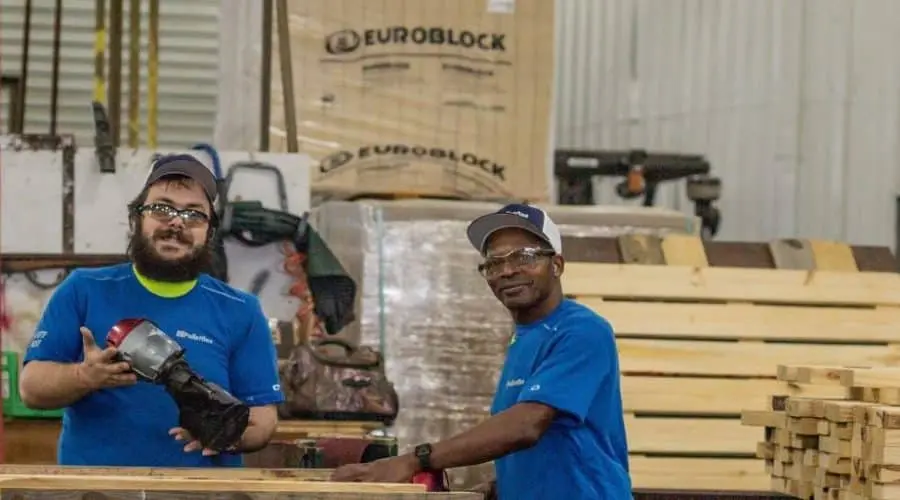
It is said that humans are “wired” to be on teams.
We are born into families. Others raise us. We learn by interacting. We achieve more through cooperation and collaboration.
Our best lives are achieved through participating in groups. It would make sense to develop and bring that mindset to every group you join. One part of that mindset should be how you handle yourself when called to lead.
I collected these bullet points recently. Sean McVay, who coached the Los Angeles Rams to a Super Bowl championship, is the author.
He says the first step toward creating a team is to focus on the foundation. It includes the following:
Pretty quickly you’re assessing the capability of the team assembled. Do you have the skills needed amongst the team? Does everybody understand the purpose of the team and the role each one must play?
We’ve learned through these COVID times how important connecting face-to-face is for getting best results; when you’ve shared a meal or worked together on a project, connections form.
Building a team requires rhythm and regularity. Improvement is frequently a subtle, inch-by-inch thing. Identify goals and attack them where consistency matters.
Finally, communication needs constant attention. No matter how effective our communication, know this truth: it can be better. I focus on clarity, transparency, and courage in what we communicate.
McVay ends his thoughts on team building with this: “Be selective with your talent, intentional with your culture.”
Build your team relentlessly. Create a culture that inspires them to perform and persist.
𝗘𝗠𝗕𝗥𝗔𝗖𝗜𝗡𝗚 𝗕𝗔𝗗 𝗡𝗘𝗪𝗦: 𝗧𝗛𝗘 𝗣𝗔𝗧𝗛 𝗧𝗢 𝗖𝗢𝗨𝗥𝗔𝗚𝗘 𝗔𝗡𝗗 𝗧𝗘𝗔𝗠𝗪𝗢𝗥𝗞
If you ever watched the classic movie The Godfather, you might remember this quote: “If your car could take me to the airport, Mr. Corleone is a man who ins...
𝗗𝗘𝗙𝗜𝗡𝗘 𝗬𝗢𝗨𝗥𝗦𝗘𝗟𝗙 𝗕𝗬 𝗪𝗛𝗔𝗧 𝗬𝗢𝗨 𝗟𝗢𝗩𝗘
“Define yourself by what you love.” – Tim Minchin
I recently watched a commencement address by Australian comedian Tim Minchin at the University of Western Australia, where he shared nine unc...
𝗢𝗩𝗘𝗥𝗖𝗢𝗠𝗜𝗡𝗚 𝗔𝗗𝗩𝗘𝗥𝗦𝗜𝗧𝗬: 𝗙𝗗𝗥'𝗦 𝗟𝗘𝗦𝗦𝗢𝗡𝗦 𝗜𝗡 𝗟𝗘𝗔𝗗𝗘𝗥𝗦𝗛𝗜𝗣
Franklin Roosevelt was stricken with polio when he was in his late 30s. He lost the use of his legs overnight, never to regain it.
Read more below.
𝗛𝗜𝗚𝗛 𝗖𝗛𝗔𝗥𝗔𝗖𝗧𝗘𝗥 𝗟𝗘𝗔𝗗𝗘𝗥𝗦𝗛𝗜𝗣: 𝗪𝗛𝗔𝗧 𝗬𝗢𝗨 𝗗𝗢 𝗖𝗢𝗨𝗡𝗧𝗦
I listened to a discussion on the importance of high-character leadership to a company’s success and learned some interesting insights. Read more below.
#Leadership #...